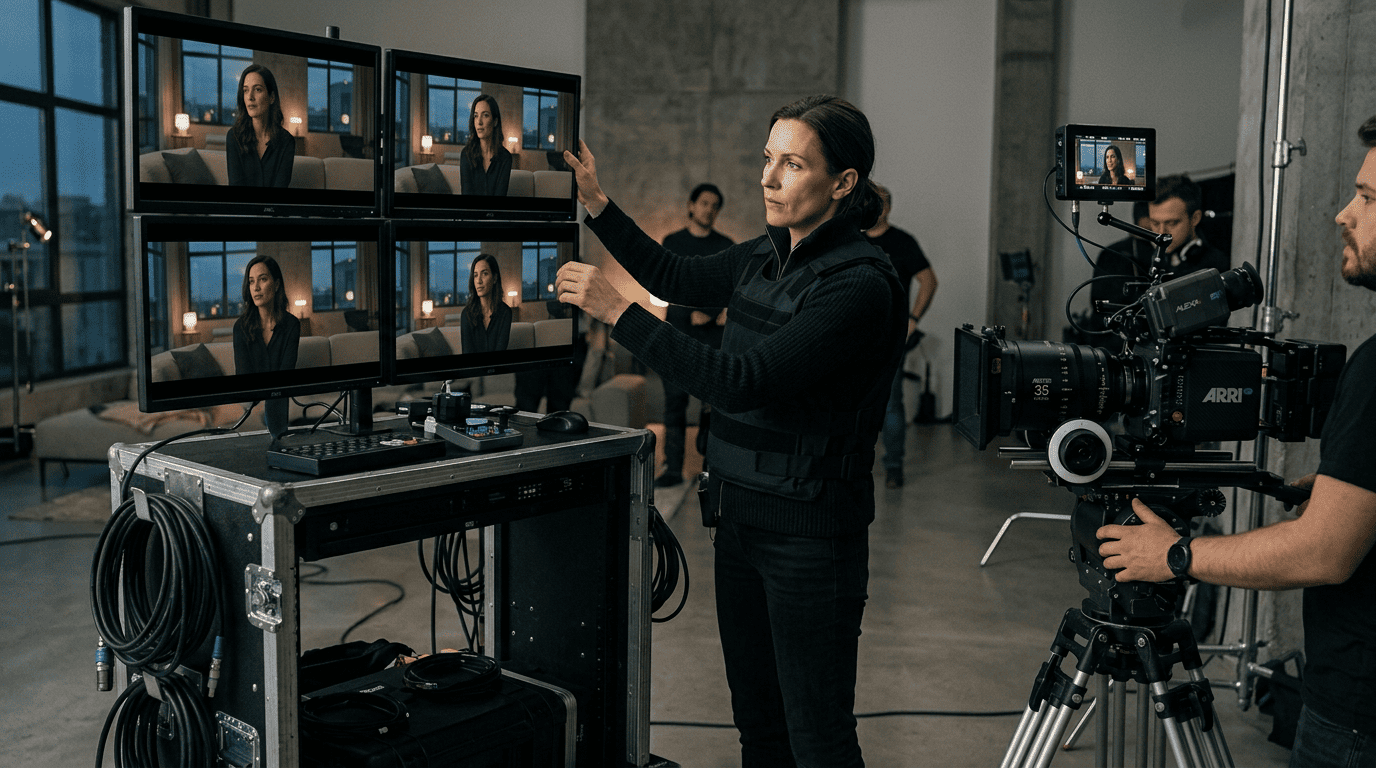
One of the biggest frustrations in AI video creation is losing control over important visual details during generation. A scene may start perfectly, but as motion develops, subjects shift unexpectedly, framing changes too much, compositions lose balance, or visual focus drifts away from the original idea. For creators trying to produce cinematic content, that lack of control becomes a serious limitation.
Traditional filmmaking works differently. Directors carefully control framing, subject placement, camera focus and scene composition to guide how viewers experience every shot. Even small adjustments inside the frame can completely change the emotional impact of a scene. This is why frame stability matters so much in cinematic production.
Higgsfield approaches this problem differently through its frame-locking system. Instead of allowing scenes to drift unpredictably during generation, the platform gives creators stronger control over how visual composition behaves throughout the sequence.
For creators using an ai video generator, that level of control makes the workflow feel much closer to real cinematic direction instead of random automated generation. As AI-generated video becomes more advanced, creators increasingly want tools that provide precision, not just motion.
Why does composition control matter so much in video creation?
Every strong cinematic scene depends on intentional framing. Directors carefully position subjects, control negative space, guide viewer attention and shape visual balance throughout a shot. These decisions influence how audiences emotionally respond to the scene.
For example:
1. Tight framing can create tension
2. Wide compositions can emphasize scale
3. Centered subjects create focus
4. Off-balance framing creates discomfort
5. Controlled motion improves immersion
Without stable composition, scenes often feel chaotic or visually disconnected. This becomes especially noticeable in AI-generated video where uncontrolled motion can cause subjects to drift unnaturally within the frame.
Even when animation quality looks impressive, unstable composition can make the final output feel less professional.
Why do many AI video tools struggle with frame consistency?
Most AI generation systems prioritize movement first. As scenes evolve the system may unintentionally shift framing, subject placement, perspective balance or visual focus. The result is content that feels visually unstable across the sequence.
Common issues often include:
1. Subject drift during motion
2. Inconsistent framing
3. Sudden composition shifts
4. Loss of visual focus
5. Uncontrolled scene movement
6. Distracting perspective changes
These problems become especially noticeable in cinematic storytelling where framing precision matters heavily.
A carefully composed shot loses impact quickly if the subject unexpectedly moves away from the intended focal area during generation. Traditional filmmakers spend enormous effort controlling these details because composition directly affects storytelling quality. AI generated workflows need stronger scene stability to achieve similar cinematic structure.
How does Higgsfield’s frame-locking system improve creative control?
Higgsfield’s frame locking feature helps creators maintain stronger visual consistency throughout generated sequences. Instead of allowing compositions to drift unpredictably, the system helps stabilize important framing elements while motion continues inside the scene. This creates videos that feel far more intentional and professionally directed.
For example, a creator may want:
1. Stable subject positioning
2. Controlled camera focus
3. Consistent composition balance
4. Cinematic framing continuity
5. Locked visual attention areas
Frame locking helps preserve these decisions throughout the scene progression. That difference becomes especially valuable for creators producing fashion campaigns, cinematic edits, storytelling sequences or branded video content where framing quality strongly affects the final result.
The ai video generator workflow becomes much more controllable because creators can maintain visual structure instead of relying on unpredictable scene behavior.
Why are cinematic creators paying closer attention to framing control?
Cinematic storytelling depends heavily on visual precision. Every shot communicates something emotionally through framing choices. Directors use composition to guide pacing, focus attention and shape the atmosphere of a scene. When framing shifts unexpectedly, the emotional impact often weakens immediately.
This is why creators working on cinematic content need stronger control over scene structure.
Higgsfield helps creators maintain more stable visual direction through frame-locking tools designed for cinematic workflows. Instead of fighting against unpredictable generation behavior, creators can focus more on storytelling, pacing and scene atmosphere. An ai video generator becomes far more useful when creators can control visual composition with greater precision across shots and sequences.
Why does frame-locking improve storytelling quality?
Storytelling works best when viewers focus naturally on the intended subject or emotion inside the frame. Unstable compositions often distract viewers because visual attention constantly shifts away from the core scene purpose.
Frame locking improves this by helping scenes maintain stronger visual focus throughout motion sequences. For example, a dramatic close-up becomes much more effective when the framing remains controlled instead of drifting unpredictably during movement.
The same applies to:
1. Product showcases
2. Emotional character moments
3. Fashion visuals
4. Brand storytelling
5. Cinematic transitions
6. Narrative-driven short films
Higgsfield gives creators more control over how audiences visually experience these scenes. That stability creates videos that feel more intentional and emotionally immersive from beginning to end.
Why are brands interested in director-style AI video control?
Brands increasingly expect cinematic quality from digital campaigns. Social media ads, product launches, ecommerce campaigns and branded storytelling now compete against highly polished creator content across every major platform. Because of this, visual precision matters more than ever. Brands want campaigns that feel structured and professionally directed instead of randomly generated.
Higgsfield helps marketing teams produce more refined AI-generated videos by giving creators stronger control over composition and scene stability. An ai video generator with frame-locking support allows teams to maintain cleaner visual structure across campaign sequences while still benefiting from faster production workflows. This becomes especially valuable for luxury campaigns, fashion marketing and cinematic product visuals where framing quality strongly influences audience perception.
Why are social-first creators adopting cinematic control tools faster?
Short form content has become increasingly cinematic. Creators on TikTok, Instagram Reels and YouTube Shorts now use film-inspired framing, dramatic composition and controlled visual pacing to improve engagement and retention.
Audiences expect content to feel visually polished even in extremely short videos. Random or unstable framing often reduces immersion immediately. Higgsfield helps creators maintain stronger visual control throughout fast-moving scenes while still allowing dynamic motion inside the sequence.
The ai video generator workflow becomes much more flexible for creators building cinematic social content because framing quality stays more consistent across transitions and movement. That balance between motion and control is becoming increasingly important in modern short-form storytelling.
Why is creative control becoming more important in AI video generation?
AI video tools are evolving rapidly. Early systems focused mainly on generating movement. Now creators expect much more. They want cinematic realism, controlled pacing, stable framing and professional level visual direction throughout generated scenes.
This shift changes how creators evaluate AI video platforms. Visual control matters just as much as visual generation. Higgsfield reflects this transition by focusing heavily on scene stability and cinematic composition tools like frame-locking.
An ai video generator with stronger creative control gives creators more confidence when building storytelling content, branded campaigns, cinematic edits and social first video experiences. As AI generated media becomes more advanced, precision and controllability will likely become some of the most valuable features separating professional creative systems from generic automated video tools.
Also, Read: https://magazinesweekly.co.uk/blog/